
Why Chronic Stress Keeps You Stuck in Survival Mode

Are you feeling overwhelmed? Functioning, surviving somehow, yet constantly exhausted. Chronic stress can keep you moving forward; however, it can quickly turn into burning the candle at both ends. You may believe you are in survival mode.
There is a lot of confusing information out there about stress and survival mode when using AI and internet research. Let’s break it down, learn how to recognize the difference, and know what to do about it.
Survival Circuits
The survival circuits are the instinctive brain programs that tell you “DANGER”. When your body is not adapting to the normal stress response, these survival circuits fail, shut down, and go into survival mode.
The survival circuits react to threats that are temporary and real. Your nervous system responds as intended to emergencies or other threats.
An example would be getting nervous during a job interview and your heart rate kicking up. This is a normal stress reaction.
The sympathetic nervous system is at work, and when your job interview is complete, you feel back to normal because the threat is gone. The sympathetic nervous system operates automatically, and you don’t have to control it or think about it for it to function.
A few areas of the body that the sympathetic nervous system controls are:
- Blood pressure
- Heart rate
- Breathing
- Sweating
In response to threats or danger, your nervous system prepares your body by increasing your heart rate, delivering more blood and oxygen to parts of your body that need it, and helping you remove yourself from the danger.
Your body is helping you manage the danger, and your nervous system regulates to provide what is necessary, such as your pupils dilating to allow more light, or your heart rate and breathing increasing to deliver nutrients to the big muscle groups for consumption and prepare you the handle the emergency.
You may be familiar with the terms “fight or flight”. Let’s review the fight-or-flight response in more detail, focusing on how your body tries to survive.
Fight, Flight, Freeze, or Fawn

Fight or flight is fairly common, but Fawn? Let’s take a look at the four types of responses to better understand them according to Natacha Duke, RP.
A fight is exactly what it states: defending yourself when threatened. Some may choose to confront or stand up to the threat and fight back.
Flight is fleeing a dangerous situation. You can picture a stray cat running away as you approach the feline. You are a threat to the cat as a stranger, and the cat hightails out of there. Running away feels protective.
Freeze is the action of becoming immobilized, as in paralysis, and being unable to move in an emergency. The thought process here is hoping the crisis will pass by without notice.
Fawn is not discussed much, as it was recently added to the fight-or-flight model.
Fawning would be avoiding the threat or danger; you would reconcile or appease to avoid harm.
You may understand it as a person who is constantly pleasing others or submissive to gain favor with the danger source.
To summarize, the fight, flight, freeze, and fawn are the different response types from the sympathetic nervous system. The purpose is to respond to or survive dangerous or life-threatening events.
Parasympathetic System
The other branch of the autonomic nervous system is the Parasympathetic System. When the Sympathetic System is activated, the opposite is true for the Parasympathetic System, which acts as the brakes to promote rest and recovery.
Both promote an internal balance of the nervous system for stress, burnout, and chronic stress that work together to activate and reduce automatically.
Survival Mode
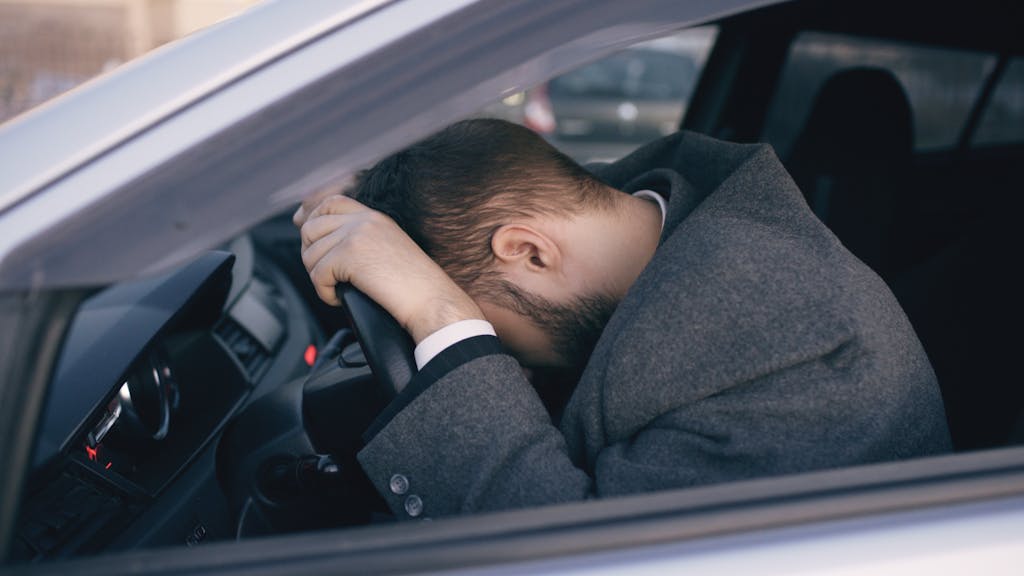
Comparing the survival circuits to survival mode still involves the nervous system, but what occurs after the danger passes is where chronic stress keeps you in survival mode.
When the survival circuits decline, your nervous system keeps the alarm mode going after the danger has passed, which can develop into a chronic state. Survival mode is when the body does not recognize that the threat or danger has passed, and the “alarm” or signal keeps going even after it has passed.
There is no returning to balance in survival mode. In other words, the survival circuits return to balance after the emergency, but in survival mode, they don’t.
The body continues to fight the opposing threat and does not shut down once there is no danger.
Your body forgets how to relax and begins to view the world as uncertain or unsafe. Your brain fails to remember that there are threats and starts to assume it’s dangerous all the time.
Stress hormones will continue to ramp up, keeping you edgy, making it hard for your body to rest, pause, and manage emotions or reactions. In time, your brain and body have managed to stay alert and exhausted, and the behaviors are survival strategies.
You may consider yourself “anxious, distant, or continue to be productive, and yet, your body continues to function when you are overwhelmed.
In time, your body has developed coping strategies to manage stress, and it’s catching up with you, making you feel tired all the time.
Signs and Symptoms of Survival Mode
According to Psychology Today, some signs and symptoms at this point would be:
- Always looking out for what could go wrong
- Difficulty quieting your mind
- Struggling to rest, even when you’re tired
- Feeling numb, disconnected, or like things aren’t real
- Taking on too much and difficulty asking for help
Your nervous system has not had time to recover, and to protect you, so your body stays alert.
The initial activation when burnout occurs is through the circuits of your nervous system, and when the body is in a state of always feeling threatened or in danger, it will react towards keeping you safe. Not recognizing true survival needs or normal stress anymore.
Your body has not been able to restore itself; it has entered survival mode, which is beyond fight, flight, or burnout.
Chronic survival mode exists, and it may require professional help. Chronic survival-mode signs have now advanced further. According to Psychology Today‘s article “Are You Really in Survival Mode?” For example:
- Hypervigilance that doesn’t ease even in safe settings
- Ongoing sleep disturbances unrelated to current stressors
- Persistent numbness or dissociation
- Escalating physical symptoms of chronic stress
- Inability to feel safe even when objectively secure.
True survival mode impairs self-diagnosis; it lacks the judgment to recognize it. So how do you reset your body? In order to begin the process, small self changes are needed.
How To Get Out Of Survival Mode

Small, consistent changes have a huge impact on how your body can recognize when you’re in danger or feeling threatened. Beginning with your mindset and understanding that it is not personal failure, but a biological response.
You cannot force your way out of your body to feel safe through thinking about it only. To begin healing, your nervous system needs to experience safety.
Safe Gentle Practice
Allow your body relief, stress does not have to be eliminated completely. Wouldn’t it be a wonderful world if he had no stress? Stress will always exist in life, that’s a fact. Given that, here are some ways to get started on your path to recovery.
- Begin with yourself
- Examine what feels safe to you – signs of stability, sights, and sounds around you
- Deep breathing — longer exhales allow your vagus nerve to tell your nervous system to relax and feel calmer
- Micro breaks – get up, stretch, walk around. These are packed with power in small amounts versus longer breaks
- Evaluate your stress markers – reduce news watching, social media, review what is adding stress to you, and reduce it
- Sensory grounding input – notice your feet when walking, the softness of a cozy blanket, or temperature changes. Sensory input brings you back to yourself
- Time in nature – pay attention to the sights and quietness
- Feeling safe with social connections
Normalize, Begin Moving Out Of Survival Mode
That’s a wrap! Your body is amazing in its function and in how it protects you. Allow yourself grace as you learn to reverse chronic survival mode or burnout. Healing takes time; you didn’t get here in one day, and resolution takes time for the nervous system to be reprogramed.
You can learn to feel safe and kind, and to avoid feeling like you have to constantly prepare for the next urgent event. You can read more about burnout in this post.
Chronic stress keeps the body stuck in a state of protection, but you can retrain it to feel calm again.
Join the newsletter for a gentle reset and get monthly tips, mental health, and wellness written by an experienced nurse.

This is for educational purposes only. If you are in a crisis or have any thoughts of hurting yourself or anyone else, please call the crisis hotline 988, 911, or go to the closest emergency room for evaluation. This does not replace professional help.
References: