10-Minute Nature Breaks: The Fastest Way to Reduce Stress Naturally

Signing into your computer as you start the day, ding! An email pops up on your screen, calling for your immediate attention. Ring Ring! Now your desk phone is ringing and interrupting your email scanning. Do you have a minute to talk? 15 minutes later, a co-worker needs your help, and you haven’t even finished your coffee and have been stimulated beyond what you care for, as it is Monday morning after all. Don’t just gaze out the window; get out into nature to reduce your stress.
Self-care may seem complicated at first, but even just 10-20 minutes outside can help you feel calmer and more in control, fit into busy schedules, and make a real difference in your mental health.
While going outside in nature feels calming, if weather or safety is a concern, such as rain, extreme heat, or unsafe neighborhoods, try indoor plants, virtual nature videos, or window views to still experience some of nature’s benefits.
Stress triggers your sympathetic nervous system, but spending just 10 minutes outside in nature can help you feel calmer and more in control, which is essential for your mental well-being and can give you a sense of relief.
Nature Accessibility
The world is demanding. It requires our time, physical, and mental strength, according to Jodie M. Smith. APRN, C.N.P., D.N.P., MSN, from the Mayo Clinic, there are many studies demonstrating how nature can improve mood and reduce anxiety and stress.
Nature doesn’t require a remote forest; even city parks, community gardens, or green rooftops-places you might pass daily-provide opportunities to step into fresh air and engage in deep thinking, making it accessible for everyone.
As a matter of fact, the recommended 120 minutes per week in nature can help you feel more balanced and resilient, making it easier to handle daily stress and feel more positive.
The Science-Backed Mental Health Benefits of Nature Exposure
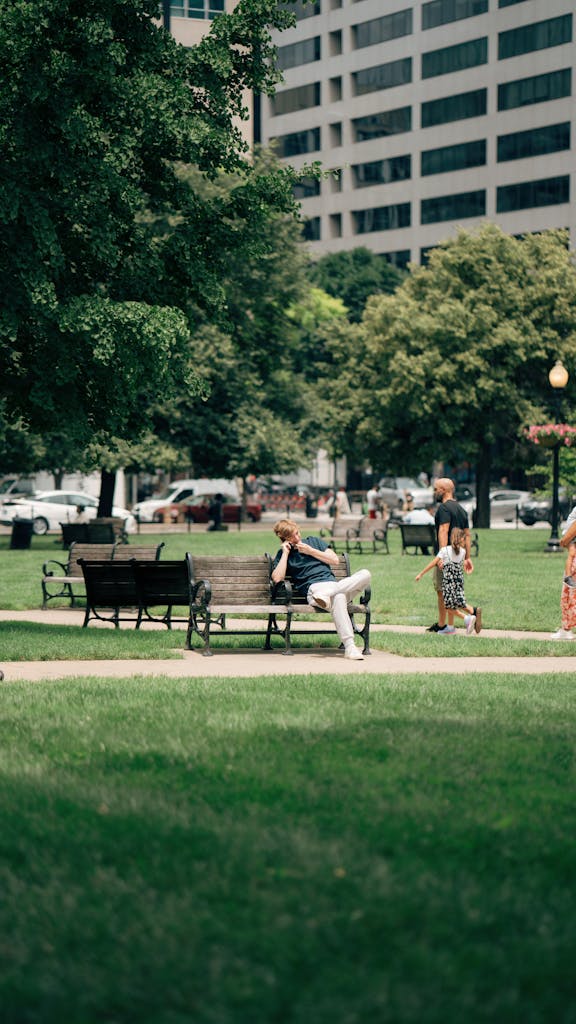
In Molecular Psychiatry, the authors reviewed and compared brain activity during a social stress test after walking in the forest versus on a busy street, finding that walking in nature decreased amygdala activity. Since stress is a major risk factor for mental health disorders, this outcome suggests that walking in nature may be a protective measure for mental health.
Indeed, many benefits include hormone regulation, nervous system regulation, mental health, and support for burnout recovery (which is what I experienced). Overall, here is the breakdown list:
Reduce stress hormones with nature
- Lower cortisol levels
- Physical calming effect on the body
Supports Nervous System Regulation
- Shifts from sympathetic (fight/flight) → parasympathetic (rest/restore)
- Slower heart rate, deeper breathing
Improves Mood and Anxiety
- Reduced symptoms of anxiety and depression
- Increased feelings of calm and emotional stability
Helps With Mental Fatigue and Focus
- Restores attention span
- Improves clarity and cognitive function
Supports Burnout Recovery
- Creates space + mental “buffer.”
- Encourages a slower pace and presence
Why Nature Helps When You’re Stuck in Survival Mode
If your body is continually under stress, the sympathetic nervous system is constantly activated and unable to distinguish normal stress from danger in the context of chronic burnout.
Nature reduces stress by supporting the regulation of the sympathetic nervous system, lowering anxiety and stress, and improving mental health and cognitive function. Some stress is not considered bad; it’s normal.
To put it differently, when you are interviewing for a job, it’s normal to be nervous; that is your body reacting to the acute stress of the job interview. When your body reacts to stress all the time, it becomes chronic, leading to burnout and making it hard to tell the difference.
Taking 10 to 20 minutes to step into some green space helps the body feel safe and calm, and can help it relax. At this point, do you need some ideas to get started? Begin with these:
- Depressed: go outside to green grassy areas, a natural space, and stroll in the woods
- Stressed: Find nature, such as birds, butterflies, flowers, or trees. Nature scenes capture your attention, calming your nerves instead of leaving you feeling frazzled.
- Anxious: Walking outside improves anxiety better than an indoor gym. Hit up some trails or ride your bike around the block.
You don’t have to force yourself to be calm. Your body is already connecting to the outdoors. What if you live in the city? What is available to soak up some green space?
You Don’t Need a Forest: Small Ways to Get the Benefits of Nature
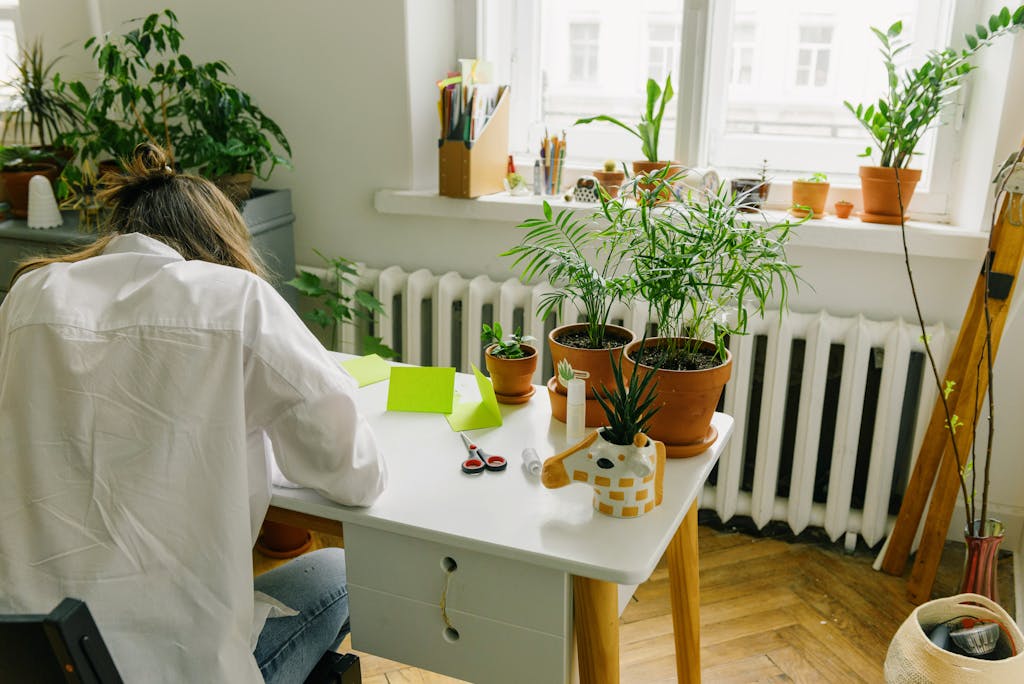
While this can be a challenge if you are living in an urban setting, there are still ways to bring nature to you. It can be exciting to live in a big city. Still, stress may manifest in both conscious and unconscious ways, such as sensory overload, spatial challenges, and difficulty finding nature outdoors.
Although this may be true, there are ways you can start with 10 minutes to enjoy nature and gently reduce stress, even if you live in a city.
10 Minute Ideas:
- Step outside without your phone – look, listen, and feel what is around you.
- Sit in sunlight (morning if possible, to avoid harmful rays)
- Take a slow walk around the block
- Open a window and focus on natural sounds (listen and look for birds)
- Touch something natural (grass, tree bark, water)
Low-Energy / Burnout-Friendly Options:
- Sit on a porch or balcony
- Drive to a quiet green space, such as a park
- Look at greenery (even indoor plants and flowers can help!)
- Listen to sounds such as the ocean, rainforest, birds, and meditation music
Weekend Plans:
- Schedule a weekend to hike on the trails
- On your next day off, go to a park or sit near a body of water, such as a pond
- Go camping for a few days
In summary, if you feel bound to indoors, there are ways to bring nature inside to get started.
How to Make Nature Part of Your Routine (Without Pressure)
Allow yourself 10-20 minutes to start with creating new habits to make nature a part of your routine. Sit under a nice, big tree, close your eyes, and relax. Start stacking your new nature adventures with other habits, such as coffee or lunch breaks, walking and deep breathing, and time away from technology to enjoy the quiet.
Stay consistent with starting small and building to what you need most for your body. Exposure to this time outdoors for your mental health is to be supportive, not something else on your list to do.
I look forward to my noon break, leaving my cell phone behind, stepping away from my desk, and heading outside for a sun-soaking 20 minutes, practicing deep breathing while walking, and looking for gopher tortoises (These little guys are protected wildlife in Florida, which is my home)
Searching for tortoises and saying hello to neighborhood dogs brings joy to my heart. Nothing is expected, no pressure, just walking and breathing.
Those 20 minutes are the highlight of my day. I forget everything and remain present in the moment.
A Gentle Reframe: Nature as Support, Not Productivity
Nature is supportive, not meant to be productive. It’s not a forced habit or something to check off your list. Nature is not something to perform, but to experience with all the sights, sounds, and touch. It encourages you to slow down and enjoy the small pockets of time to clear your headspace.
When I was experiencing burnout, this was crucial for me. I had to get out of the office that kept me bound indoors like a prison with no windows or privacy. During my breaks and lunch, I walked along a residential road lined with trees. It felt like a forest and calm.
I admit, I cried while praying about my stress load, but it helped me get through the rest of the day. I felt like I could breathe a little deeper, think a little more clearly, and tackle the next set of problems.
Over time, my nature exposure and my anxiety were decreasing. I have added more nature, such as creating watercolor pictures of my surroundings, ocean sounds to listen to at night when I’m having trouble falling asleep, and walking around my yard to see what new blooms are popping up with a cup of coffee or tea.
What would 10 minutes look like outside for you today? Need some ideas? Grab your FREE 50 Micro Nature Moments with your email, appears INSTANTLY.

This is for educational purposes only. If you are in a crisis or have any thoughts to hurt yourself or anyone else, please call the crisis hotline 988, 911, or go to the closest emergency room for evaluation. This does not replace professional help.
References:
Sudimac S, Sale V, Kühn S. How nature nurtures: amygdala activity decreases as the result of a one-hour walk in nature. Mol Psychiatry. 2022;27:4446–52.
Ocklenburg, S. The positive effects of time spent in nature on stress: considering climate change. Mol Psychiatry 28, 3169–3170 (2023). https://doi.org/10.1038/s41380-023-02122-y