Physical Symptoms of Anxiety: What Happens to the Body

This post contains affiliate links, which means I may earn a small commission if you make a purchase through my links — at no extra cost to you. I only recommend products I genuinely believe in and think could be helpful to you.
Physical symptoms of anxiety may be the migraine or tension headache you experienced this week. It’s obvious you feel the pain with headaches. You’ve probably been working overtime, the kids are asking for money again, the dog has to go outside every five minutes, and your spouse forgot to take out the garbage and missed trash day. You’re not only stressed, but your body is holding on to a lot right now, not to mention experiencing many emotional and physical symptoms.
Migraines and tension headaches have plagued me for years. I experience intense pain in my forehead or right above my eyes. It feels like my head is being squeezed in a vice. My shoulders are tense and raised up even when I try to relax. My hair even hurts!
Depending on the headache, I feel either hyper or instantly fatigued. Then waves of nausea hit, and I just need to lie down in a dark room with an ice pack over my forehead, sinuses, and the back of my neck with my favorite soft, cozy blanket. Physical symptoms of anxiety, like tension headaches, can ruin your day.
Connecting The Dots
Every time I pushed myself to a deadline or felt pressured or overloaded, it took an emotional toll on my body. Feeling physical symptoms of anxiety wasn’t my first thought because of being distracted by the pain. The emotional demands of responsibilities in life, work, or both created unresolved problems, and worry won out. Worry was taking over my body and mind.
It wasn’t immediately that I recognized this as anxiety. It seemed to show up in my body first, not just mentally, or noticing my emotions running all over the place. But once I understood why anxiety shows up physically, everything started to make a lot more sense. And I think it will for you too.
Anxiety Is Not Just In Your Head

Something you may not have considered: anxiety is not only a mental experience.
Your brain registers threats and dangers, triggering a chain reaction that affects every part of your body. In effect, this is your body physically reacting to the stress or anxiety, thus physical symptoms of anxiety.
Your amygdala is the part of the brain that acts as your internal alarm system. It detects fear and mainly emotion, which are important for survival. According to Simple Psychology, the amygdala is “described as the brain’s emotional computer; the amygdala evaluates sensory information for emotional significance, specifically potential threats, and coordinates the appropriate responses.”
Emotions are processed by your body before you are consciously aware, and you develop the physical symptoms of anxiety. In fact, some examples of emotional pressures that create this imbalance are:
- Personal pressure
- Deadlines
- Work load
- Family pressures
- Caregiver
- School or college
- Health concerns
Your vagus nerve plays a major role in this. It extends from your brainstem all the way down your large intestine. Therefore, it communicates between your brain and body. At this instant, the emotional distress quickly becomes physical distress or symptoms of anxiety.
The Biochemicals: Adrenaline and Cortisol
Adrenaline and cortisol are released when your brain fires the alarm. These are your stress hormones. Your body begins preparing for action as adrenaline acts quickly. Your heart rate increases, the blood is redirected to your muscles, and your senses are more focused.
Then, cortisol follows, sustaining the alert state and keeping the energy up for the next possible event. You may recognize this response as fight-or-flight. You are experiencing the physical symptoms of anxiety, which may lead to chronic anxiety.
Due to the body staying alert in this state of chronic anxiety, the hormones stay elevated while the body suffers the consequences. Modern times are very different from when we used to fight or run. It’s not always a life-threatening situation these days.
Body Check: Anxiety Physical Symptoms
Each body system is designed to alert you to danger and protect you. Physical symptoms from anxiety allow the body to do exactly what it’s supposed to do. The physical symptoms you experience are in response to the immediate threat.
Paying attention to these signs can help identify life-saving measures or reactions to intense stress or anxiety. In view of this, let’s break down the systems at play.
Heart and Chest
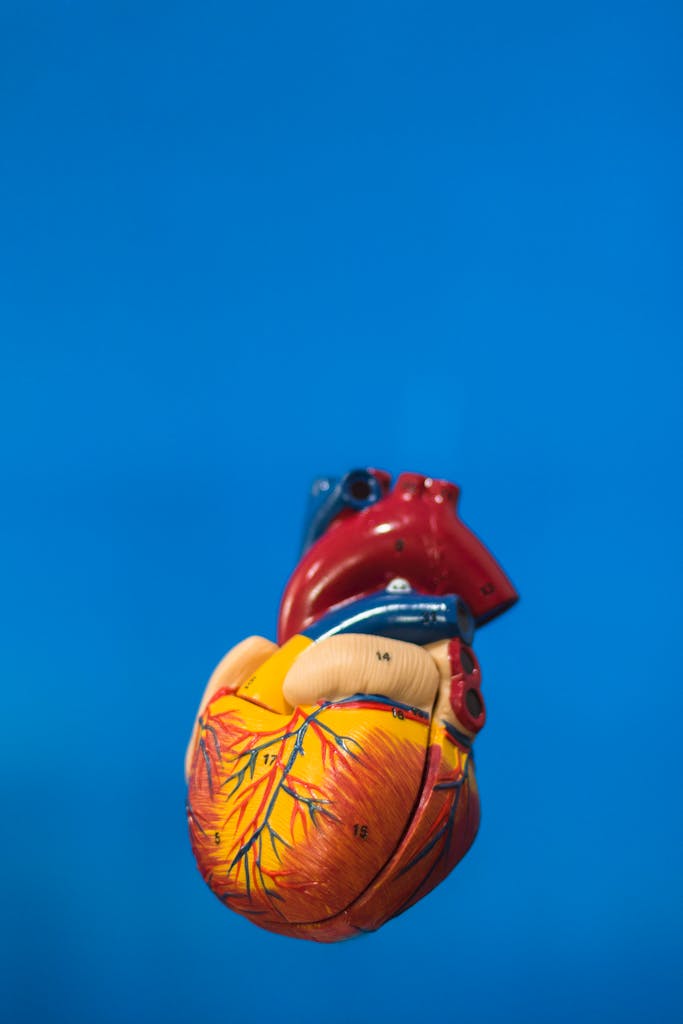
That pounding, racing feeling in your chest is your heart working harder to pump faster. Preparing your muscles for movement. Your blood pressure rises, and blood flow increases as it goes to the core organs of the body. Adrenaline is responsible for this heart-pumping action.
When this happens repeatedly or fails to switch off, it may lead to persistent chest tightness or palpitations (feeling your heart beat fast). As a result, this sensation feels like a heart attack. A lot of people go to the ER thinking they are having a heart attack, but it is an anxiety or panic attack. This is how real and physical anxiety can feel.
Breathing
Anxiety triggers fast. Breathing is shallow. Your body wants more oxygen; however, when you breathe too fast, it drops your carbon dioxide levels as you are exhaling, and that causes:
- dizziness
- tingling
- breathless
Anxiety increases because it’s scary when you cannot breathe, let’s face it! This can spiral into a panic attack.
Physical Symptoms of Anxiety: Your Gut
Your digestive system is complex, with its own network of nerves. Sensitive to emotional stress, your digestion slows or completely stops when anxiety activates the fight or flight response.
The result:
- Nausea
- Cramping
- Diarrhea
- Constipation
- or an uneasy feeling in your stomach
Your Muscles
When your body prepares to fight or flee, your muscles contract, priming them for action. If the threat to your body is someone sending you a nasty email, no true physical danger, your tension stays.
Over time, the physical symptoms from this anxious event leave you with tight shoulders and a stiff neck. Or maybe you are experiencing jaw clenching and didn’t even realize you were still upset about that nasty email.
The receipt of this nasty email resulted in physical symptoms from anxiety that your body held on to.
Your Skin and Nervous System
Did you ever get sweaty when feeling anxious? I know I have when going on an interview or feeling nervous meeting new people. Sweating cools the body. Flushing happens as blood rushes through your system. Tingling or numbness in your hands and feet can result from a shift in blood flow when you rapidly breathe (hyperventilate) and your carbon dioxide level drops.
None of this is imaginary. It’s all your nervous system doing exactly what it’s designed to do.
Physical Symptoms of Anxiety: The Immune System and Sleep
Chronic anxiety with a sustained cortisol elevation disrupts sleep, interfering with your body’s repair cycles. This may suppress your immune system and its function over time. You will run on empty with this chronic state of anxiety and physical symptoms that lead to chronic fatigue and illnesses over time.
Acute vs. Chronic Anxiety
The “normal” anxiety is acute or short-term. You experience a threat, your body responds, and when the danger passes, your nervous system resets because it feels safe. It relaxes; this is normal and useful.
The complete opposite is chronic anxiety, when the body alarm never resets or switches back to the normal state and fully recovers. This is the complicated part: the physical symptoms of anxiety, such as chest tightness, nausea, fatigue, and excessive worry, become their own source of anxiety. The worry triggers more adrenaline, which makes your heart race even more.
Without support, this cycle is one of the reasons anxiety can feel difficult to break.
There are many factors that can be involved with physical symptoms of anxiety. It’s important to know when to take action for serious symptoms.
Taking Physical Symptoms of Anxiety Seriously
Many anxiety symptoms overlap with other medical conditions, such as:
- Chest pain
- Difficulty breathing
- Shaking
- Dizziness
If you’re experiencing these symptoms regularly, follow up with a health care professional for an evaluation. You can always call 911 or present to the emergency room to rule out your main concern of heart, lungs, and your mental health.
It’s also worth noting that physical illness can trigger anxiety, just as anxiety can create physical symptoms. Neither side of the equation should be dismissed or ignored.
Effective treatment for anxiety-related physical symptoms begins with addressing emotional root concerns through psychotherapy, such as cognitive behavioral therapy, medication, or both if appropriate.
You can use tools from your toolbox, such as breathing practices, sleep hygiene, meditation, and SMART goal-setting, to help you get started with coping skills.
Your Body Is Communicating To You

According to Mental Health Stats, “31.1% of U.S. adults will experience an anxiety disorder in their lifetime.
Anxiety is not a weakness and definitely not in your head. It’s something your full body experiences with emotional or physical distress. It’s not two separate things, but one interconnected response playing out across your entire body.
Understanding the connection between physical symptoms and anxiety does not eliminate anxiety, but it helps to know some small steps to take toward getting some relief.
If any of this resonated with you, you’re not alone, and you are not alone to figure it out by yourself.

This is for educational purposes only. If you are in a crisis or have any thoughts of hurting yourself or anyone else, please call the crisis hotline 988, 911, or go to the closest emergency room for evaluation. This does not replace professional help.
I share more gentle reflections and practical nervous system support inside The Gentle Reset Newsletter if you’d like company along the way.
References:
https://mhstats.org/conditions/anxiety
https://my.clevelandclinic.org/health/body/22279-vagus-nerve
https://successindepth.com/examples-of-smart-goals-for-health-and-wellness