
Exhausted? Small Ways to Feel Like Yourself Again
Estimated reading time: 7 minutes
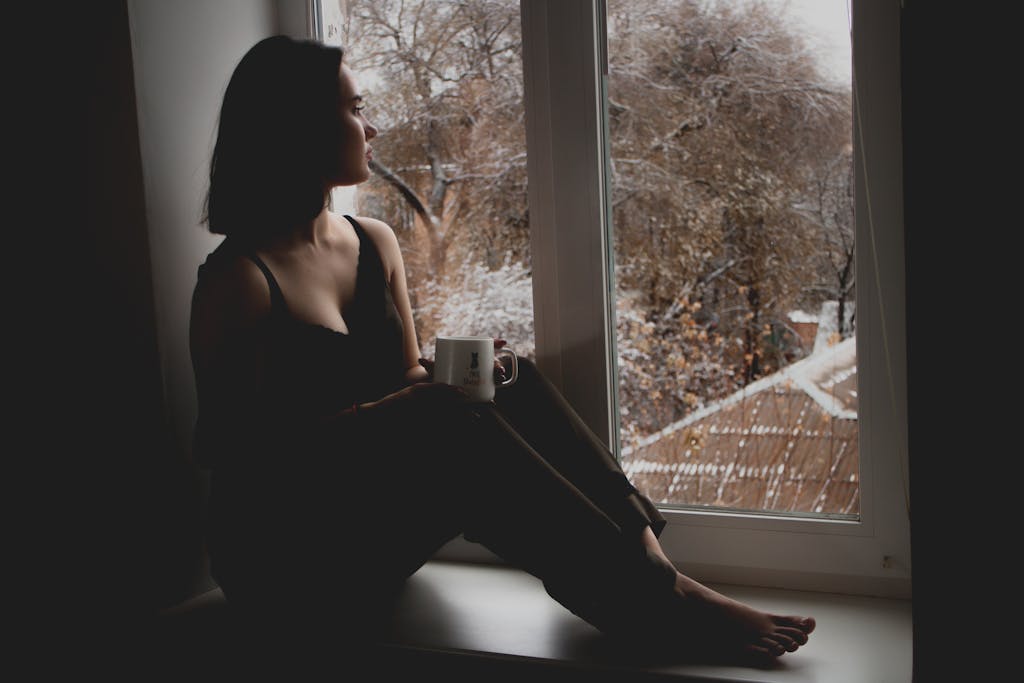
These days are filled with beeps, rings, dings, and a constant stream of information swirling around us. You are getting through the day, but you are barely functioning, and something feels off. You’re completing daily tasks, but feel like you are just existing, going through the motions. I totally get it! This is a common response to your body reacting to stress, and you are left feeling exhausted despite the productivity of your day.
In today’s world, there are more demands placed on us and fewer resources to meet them. Let me gently remind you that this is not failure. Chronic stress makes your body react in mysterious ways. Paying attention to those subtle signs makes a huge difference. Wellness should not be one more thing on your to-do list. I want to assure you that relief from exhaustion is possible in small ways during this season of your life.
You don’t need an entire life overhaul, although small, gentle shifts can help you feel like yourself again. It’s getting you back to yourself, gradually, with intention.
Why Feeling Exhausted Changes Your Sense of Self
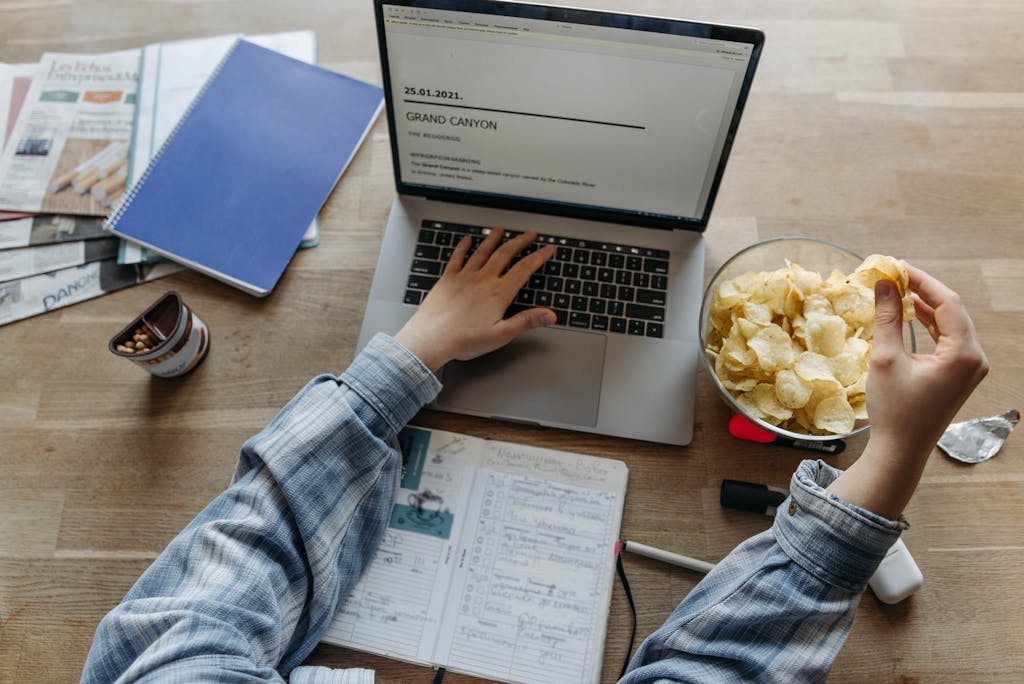
I know when I’m exhausted or overwhelmed, I become emotional and need a quick fix. Feeling tired all the time? Grab a big steaming cup of coffee with a snack, of course! That’s my go-to, food and drinks.
When we engage in caffeine, emotionally eating, smoking, and alcohol to “relax,” these are quick fixes we like to use for short-term satisfaction. It’s fast results, right?
Self-care goes beyond these temporary gratifications; it’s also a form of recovery and connects holistically to practices that nurture your body and mind, gently developing your sense of self.
We are living in times of technology, demanding work schedules, and socialization lifestyles without slowing down. Depression and anxiety are skyrocketing, especially in young adults.
Data from the Interactive Journal of Research reports that adults with anxiety and depression symptoms increased “from 15.6% to 18.2% and 18.5% to 21.4% between 2019 and 2022”. The numbers continue to rise as stress takes over. Many people never actually report their symptoms, even though they are exhausted.
Short-term stress, such as public speaking, is a normal anxiety. When your body is under constant stress, it remains in the fight-or-flight stress response, with prolonged activation alerting you to danger. Your body doesn’t know how to recognize ordinary stress, which can lead to mental health issues such as depression or anxiety. Chronic stress affects:
- emotional regulation
- memory
- focus
- identity
- motivation
- sleep
- digestive system
Short-Term Stress vs Chronic Stress
Your nervous system is stuck trying to survive. At this point, your brain is prioritizing your safety function over connection. You don’t feel like yourself. Why? Because your brain is protecting you.
All of a sudden, you’re feeling lost.
You’re Low on Capacity, Exhausted
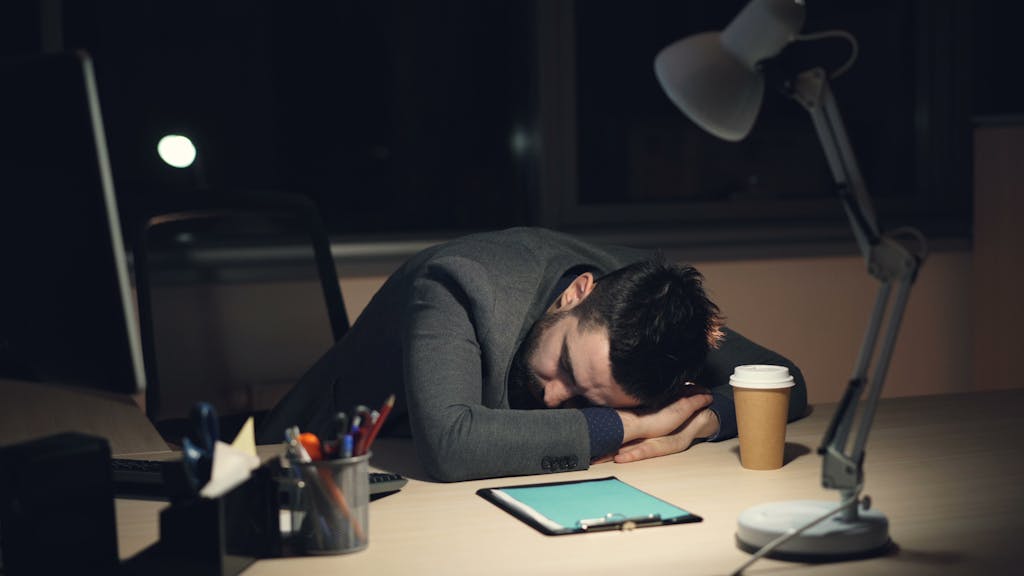
There is a difference in self-care and recovery. Pushing through the work week and nurturing your body are different. Getting through the week, your body will survive regardless. Recovery is replenishing the nourishment you need for overall well-being.
In other words, your body will survive, pushing you through the necessities. Nourishing your body as part of your daily routine connects with emotional and psychological well-being.
Better stress management through mindfulness is the foundation for addressing the root cause of exhaustion or other deficiencies.
Self-care needs:
- consistentcy
- restorative practices
- Prioritize mental health and wellbeing
- creating a sustainable lifestyle
You don’t have to just survive daily life with all of the demands weighing on you. For this purpose, there are tools and exercises to help you not feel so exhausted.
Tools To Practice When Exhausted
- Do an activity for 5-10 minutes that you enjoy
- reading
- painting
- playing or listening to music
- writing
- journaling
- a hobby
- Step outside into Nature 10-20 minutes
- Feel the sun
- Listen to the birds singing
- Look up at the clouds
- Notice the weather, cool, crisp, warm, hot,
- Regulate your body for 5 minutes
- Deep breathing, focus only on your breath
- Sitting quietly, no phone, embrace the silence
- Reduce or limit technology input
- Put your cell phone on silent for 30 minutes
- Limit your time on social media scrolling, set a timer
- Change your alerting tones to something soft to avoid irritation
- Avoid multitasking for a block of time, such as first thing in the morning
- Use essential oils when working or when feeling angst
- Carry a small bottle of essential oil in a rollerball with you; use it lightly on your hands and breathe in the calming scent deeply.
- Use a defuser with a calming scent, such as lavender, at night next to your bed when sleeping
- Learn how to make a hand sanitizer spray with essential oils and isopropyl alcohol
- Stretching or yoga
- Stretching in the morning or night or both!
- Utilize free YouTube videos for 10 -20 minutes of stretching without interruptions
- Practice beginner yoga at home or take a class
What Actually Helps
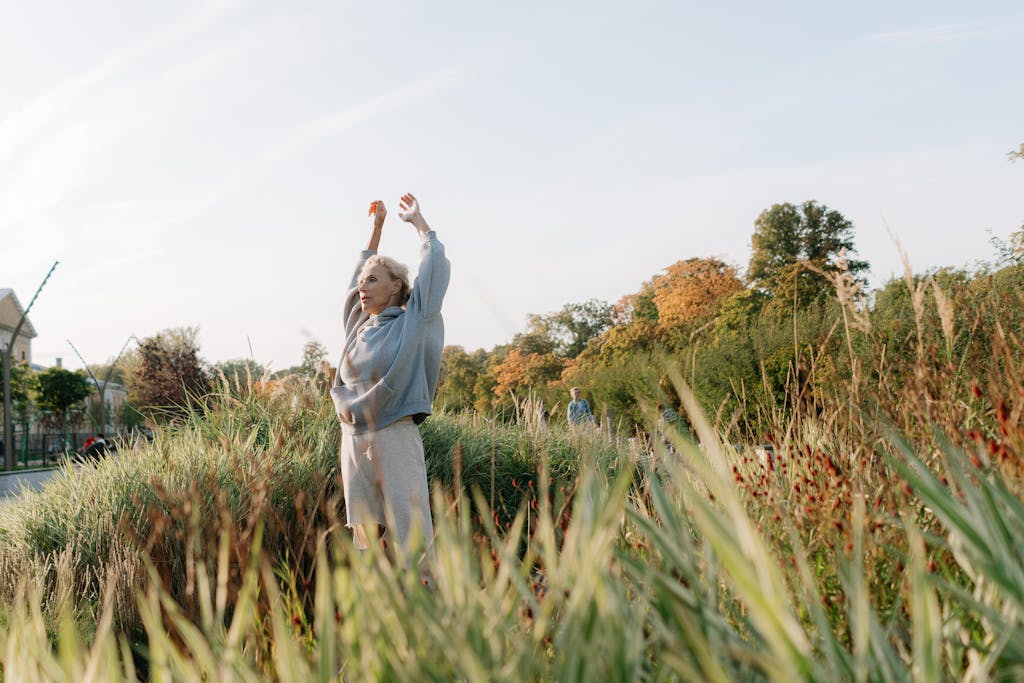
Being consistent with developing a routine for your lifestyle wellbeing is key. Be aware of your limits to make small changes that create time to enjoy, relax, and help your exhausted body and mind recover.
Starting with one small repeatable action, such as beginning your day with your cup of joe and not checking your email until you’re done with your coffee. Switch over to herbal tea or water for the remainder of the day. Too much caffeine over time keeps the body going, but you don’t feel that boost anymore.
Once you have formed the habit of reducing caffeine throughout the day and no screen time until you’ve taken those few moments, you can build more blocks of time to add other self-care and mindfulness into your day.
Personally, I started with stretching and practiced beginner yoga for 10 minutes whenever I could find 10 minutes in a day. I did this for many months before it became necessary for my mental well-being and a part of my daily routine. I added walking on my lunch break outside in nature. Most recently, I have added deep breathing while I’m walking or lying in bed at night.
Non-Supportive Habits
Forcing yourself to be motivated backfires quickly, so take it slow. Overloading your routine with too many tasks will be overwhelming and leave you feeling exhausted.
No comparisons to yourself, not even one. This is a time to make you a priority and build mental wellness into your daily life, one small change at a time.
A Tender Reminder: You’re Still You
All of your personality, goals, interests, and energy are there. They are hard to find right now because they are buried under fatigue, exhaustion, and stress. It takes time to recover and make changes to improve your lifestyle. It’s a layered and gradual effect.
That’s a wrap! Be kind to yourself, start with mini shifts. I want to encourage you today to choose just one small modification today. You don’t have to do everything all at once. You can eat a whole elephant, one bite at a time. Tiny steps really do matter.
I would love to hear what you chose and how you progress. Leave a comment or send me an email. Download 40 Micro-Rest Ideas HERE for FREE
When you’re ready, sign up for my quiet newsletter each month.
This is for educational purposes only. If you are in a crisis or have any thoughts of hurting yourself or anyone else, please call the crisis hotline 988, 911, or go to the closest emergency room for evaluation. This does not replace professional help.
References:
Pathak, Y., & Makk-Frid, E. (2025). Population Estimates of Self-Reported Depression and Anxiety in the US From a National Survey: Cross-Sectional Survey Study. Interactive Journal of Medical Research, 14, e70626. https://doi.org/10.2196/70626