
Tired All the Time: 7 Medical Causes You Shouldn’t Ignore

You wake up tired. You go to bed tired. You’re tired all the time, and no amount of sleep seems to change that.
If you’ve said this or woken up in the middle of the night Googling “why am I so tired all the time?” or “I can’t sleep,” you are not alone. Fatigue is one of the most common complaints nurses and other health care workers hear, as it is often invisible. You appear fine on the outside and feel like you only need more sleep or should drink more water. Yet you still sense that something doesn’t feel quite right.
As a nurse, I hear this multiple times a day from patients. And here’s what’s important for you to know: persistent, unexplained tiredness is a real symptom that deserves real attention.
You are not weak, just tired all the time or lazy. Your body is communicating with you, telling you something is not normal. There’s more to what you are aware of than just being tired.
When exhaustion becomes your biggest complaint, nurses look beyond lifestyle factors and assess for common medical conditions that may be driving your fatigue.
Tired All The Time, or Something Else?
Nurses use several criteria to evaluate fatigue and identify potential underlying causes you may experience, including:
- Persists for more than two weeks and up to four weeks
- No obvious new explanations for the fatigue, such as a new baby or a change in work schedule
- Impacting your ability to perform normal daily activities
- You have other symptoms, even if they are subtle
- You are not improving with basic self-care
Additionally, it’s important to recognize that you can still feel fatigued when you get plenty of rest. When you rest and still don’t feel your energy restored, your body may be trying to tell you something. Let’s explore seven medical causes of persistent fatigue you should not ignore.
Tired All The Time, Or Anemia?
Anemia is one of the first things nurses and providers rule out when someone complains of ongoing fatigue. Your red blood cells carry oxygen to your tissues and organs using hemoglobin, an iron-rich protein. When your body lacks enough hemoglobin, your cells receive less oxygen, making it harder for them to produce energy. This oxygen shortage can leave you feeling exhausted, weak, and drained.
Anemia leaves you feeling tired, weak, and short of breath, even with everyday activity. Anemia can develop over time or strike suddenly, and it comes in several types.
One of the most common reasons is Iron-deficiency anemia. Mostly common in women who menstruate, pregnant women, or people who don’t get enough iron in their diet. Complaints of being very tired all the time are common. A simple blood test provides a lot of information to your health care provider. This blood test is a Complete Blood Count (CBC).
The good news: anemia is highly treatable. Some treatments to help you feel better include:
- Dietary changes
- Iron supplements
- Addressing the underlying cause
- Medical procedures
You want to look for craving ice or non-food items, pale skin, brittle nails, dizziness, and shortness of breath. I had a family member tell me she wanted to eat her eye shadow powder and was constantly eating crushed ice. Lo and behold, she had anemia.
If you give blood and are told you have low hemoglobin, you should make an appointment with your primary care physician, telling them you are tired all the time, and include any other symptoms you are experiencing.
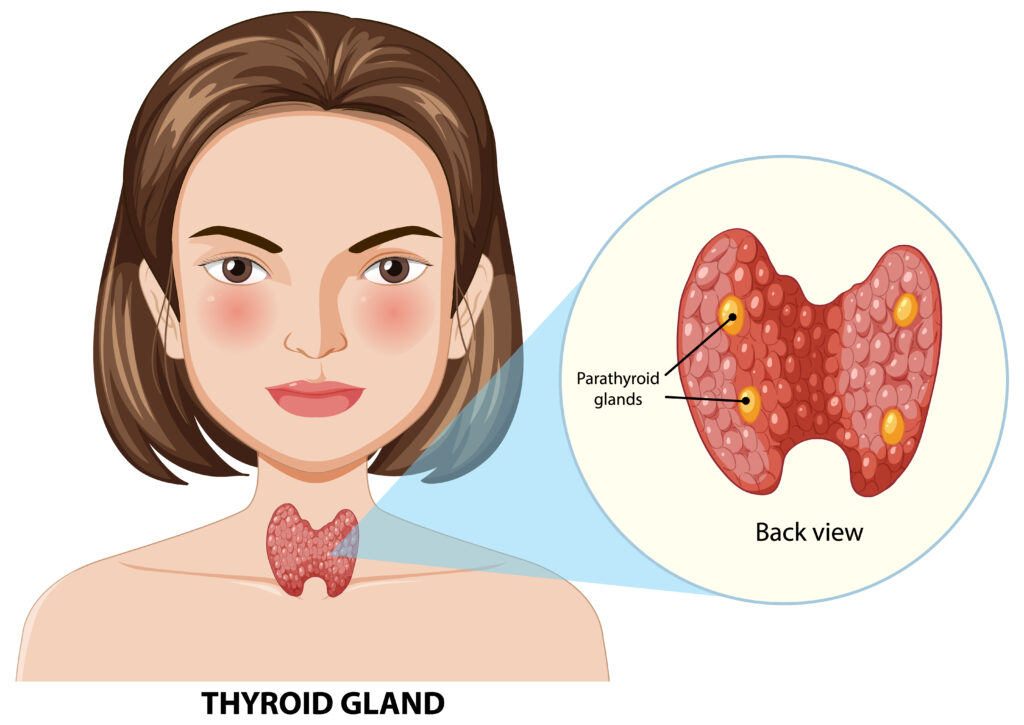
Thyroid Problems
According to the Cleveland Clinic, your thyroid hormone regulates your body’s metabolism—the process that converts the food you eat into energy. Your thyroid releases two main hormones, thyroxine (T4) and triiodothyronine (T3), which together make up thyroid hormone. When your thyroid becomes sluggish, it slows your metabolism and leaves you feeling tired all the time.
Hypothyroidism is when your thyroid is underactive. Everything has slowed down. Your energy tanks; your thoughts are foggy; you may feel cold when others are comfortable; and you gain weight. Very common in women over age 40, it creeps up gradually, and doctors can easily miss it. When you complain of “feeling tired all the time”, think about your thyroid.
Your doctor will order a blood test. Of course, if your TSH blood test shows hypothyroidism, medication usually works well.
Generally, you want to look for unexplained weight gain, dry skin, hair, constipation, depression, and feeling cold. Your heart rate may also be slower because you are so tired all the time.
Diabetes or Blood Sugar Imbalances
When high blood sugar persists consistently, as it does in uncontrolled Type 2 diabetes, or swings dramatically, your body struggles to use glucose for energy properly. This constant battle often makes you feel tired all the time, particularly after meals.
Type 2 Diabetes numbers are astonishing. According to the American Diabetes Association:
- 1.5 million Americans are diagnosed each year
- 12% of Americans had diabetes in 2023
- 115+ million American adults are living with diabetes
- 25%+ Adults with diabetes don’t even know they have it
Fatigue is not your only symptom. Diabetes can secretly develop over many years without you noticing.
Observe your fatigue. Are you tired all the time, or only after a lot of activity? If you notice increased thirst, frequent urination, or blurry vision, make an appointment with your doctor. This cluster is a classic symptom of diabetes.
Notice excessive thirst, frequent trips to the restroom, blurry vision, slow-healing small cuts, numbness in your hands and feet, or feeling tired after a meal. I know that’s a lot to think about, so if you notice two or three of these symptoms, it is worth setting up an appointment with your doctor.
Depression and Anxiety
Mental health and physical fatigue often go hand in hand, but you may not recognize the connection. Depression doesn’t always look like sadness. It can weigh you down, make it harder to focus, reduce your motivation, and leave you feeling completely drained with no energy or desire for fun activities, regardless of how many hours you have slept.
“Anxiety is both a mental and physical state of negative expectation—mentally characterized by increased arousal and negative expectancy tortured into worry, and physically by activation of multiple body systems all to facilitate coping with an unknown or adverse situation”. You will be depleted by the end of the day, feeling tired all the time.
Your mind and body function as a single unit, driving real physiological processes, so this is not all in your head. You treat medical conditions like diabetes; treat your mental health the same way. Your body is whole.
Review your decreasing interest in things you used to enjoy, appetite changes, sleeping too much or too little, feelings of hopelessness or constant worrying, and feeling tired all the time.

Sleep Apnea: Feeling Tired All The Time
If you snore loudly and your breathing stops and restarts while sleeping, sleep apnea may be the culprit. The most common complaint patients share with us nurses is that they are tired all day long (no matter how long they sleep), and their partners tell them they are snoring very loudly.
If you are not familiar with sleep apnea, it’s a condition in which your airway is partially or fully blocked (obstructive sleep apnea) during sleep, causing you to stop breathing briefly. There are different types of sleep apnea, such as obstructive or central. Central sleep apnea is when your brain doesn’t control your breathing as it should. You feel tired all the time, regardless of the type of sleep apnea you have.
Your sleep is broken and non-restorative each night. You feel unrested and not refreshed, regardless of the hours you thought you had slept.
Sleep apnea is a medical condition; leaving it untreated raises your risk of high blood pressure, heart disease, and stroke.
Ask your partner if you are snoring loudly or stop breathing in your sleep. Ask yourself if you are waking up tired and staying tired all day long.
Nutritional Deficiencies
Even with a generally healthy diet, some nutrient deficiencies can subtly affect your energy levels. Feeling tired all the time, you might not immediately think about your vitamins and minerals. One significant deficiency is vitamin B12.
Vitamin B12 is crucial for nerve function and the production of red blood cells. If you have low B12 levels, it can lead to fatigue, weakness, brain fog, and even mood changes. This deficiency is particularly common among vegans, vegetarians, older adults, and individuals taking specific medications such as metformin or acid reducers.
Vitamin D deficiency is a common issue. Low levels of vitamin D can cause fatigue, muscle weakness, low mood, and immune problems. Many Americans, particularly those who work indoors or live in areas with less sunlight, don’t realize they lack this essential vitamin.
Both of these deficient vitamins affect how tired you may feel. A simple blood test catches both deficiencies and corrected with supplements.
Besides being tired all the time, see if you experience brain fog, muscle weakness, or tingling in your hands or feet.
Chronic Illness or Infection
Persistent fatigue can often indicate an underlying condition that your doctor has not yet identified. This includes issues such as autoimmune disorders (like lupus or rheumatoid arthritis), chronic infections, heart disease, kidney disease, or liver disease. In these situations, the body may be fighting an internal issue you don’t yet know about. You just think you are tired all the time without knowing the root cause.
Overall, when you report persistent fatigue, nurses and health care providers want to dig a little deeper to make sure they do not overlook a serious problem, even if sleeping more has not resolved what you or your loved ones are observing.

When Should You Call Your Nurse or Doctor?
You should call your doctor for an appointment if you have persistent tiredness:
- Continues for more than 2-4 weeks without a clear cause
- You are getting progressively worse
- Your work, relationships, or daily function is affected
- You’ve lost weight
- You have night sweats
- You have a fever or pain
- You are experiencing shortness of breath
- You have chest pain
- You have dizziness
- You have not improved with rest
You should go to the emergency room for evaluation if your fatigue and tiredness come on suddenly and severely, accompanied by chest pain, shortness of breath, confusion, or weakness.
That’s A Wrap!
Feeling chronically tired is not something you have to accept or simply push through. Your body is trying to communicate something important to you. If you are resting and your symptoms don’t improve, talk to your doctor. Ask your doctor for bloodwork and address your concerns. Whether it’s anemia, a sluggish thyroid, blood sugar problems, sleep apnea, depression, or nutritional deficiencies, your doctor can offer you effective solutions.
You do not have to live exhausted; you deserve your energy back.

This is for educational purposes only. If you are in a crisis or have any thoughts of hurting yourself or anyone else, please call the crisis hotline 988, 911, or go to the closest emergency room for evaluation. This does not replace professional help.
I share gentler reflections and practical nervous system support in The Gentle Reset Letter if you’d like company along the way. I’d love to share the journey with you.
References:
https://www.mayoclinic.org/diseases-conditions/anemia/symptoms-causes/syc-20351360
https://my.clevelandclinic.org/health/body/23188-thyroid
https://www.psychologytoday.com/us/basics/anxiety/the-biology-of-anxiety
https://www.mayoclinic.org/diseases-conditions/sleep-apnea/symptoms-causes/syc-20377631