
Should You Call 911 or Go to the ER? How to Make the Right Choice
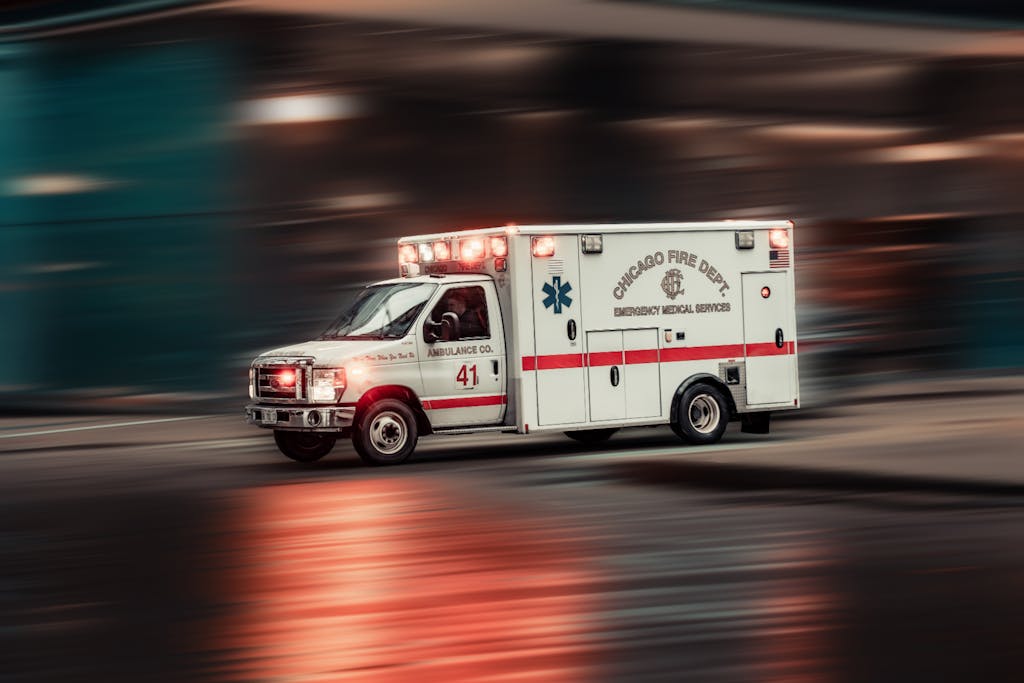
Not every health scare is a 911 call. Lives are precious, and knowing exactly when to call 911, go to the ER, or use a nurse line can make a difference in a crisis. Let’s break it down so you can stay calm, confident, and act quickly to receive the right care when you need it most.
When you are in panic mode, your mind doesn’t think clearly, especially when it’s your loved one. Should you call 911? Drive to the emergency room, or check with a nurse line first for advice on how to handle the situation safely?
These are hard decisions and not always obvious. Many people do not know the different types of emergencies or services provided. Making the right call saves cherished time, reduces stress, and may even save lives.
An example would be someone experiencing an ischemic stroke; there is limited time to evaluate and determine if medication is needed. Medications to break up the blood clot in the brain and restore blood flow must be given within 3 hours of symptom onset.
Talk about pressure! When did symptoms start? What are the symptoms? How much time will it take to get the help needed? It’s the combination of who, what, where, and how all at once.
Let’s walk through how to recognize true emergencies, when urgent care is needed, and how nurse lines offer fast, reliable advice when you’re not sure what to do.
Think of this as a quick reference for making safe choices when it matters the most.
Cheat Sheet
Call 911 → Life-threatening emergencies
Call 988 → Mental health crisis / emotional distress
Go to the ER → Urgent medical issues needing immediate care
Call a Nurse Line → Questions, guidance, non-urgent concerns
Save this post for future reference and hang it on your refrigerator for quick reference during moments of distress.
Calling 911 for life-threatening emergencies is critical for life-saving measures. In the nursing world, people complaining of chest pain may be having a heart attack, and as we say in the nursing world, “time is muscle”.
Another way to remember these types of emergencies that need critical attention is whether there will be loss of life, limb, or eyesight, or injury that may cause permanent disability. Calling 911 or going to the ER? Both may be appropriate depending on the situation.
Basically, if you delayed care and it led to serious harm or danger, you should be calling 911. If someone cannot be transported safely or needs immediate care while traveling to the hospital, 911 is your best option.
Think about it this way: if your loved one is having trouble breathing, calling 911 will begin treatment with breathing treatments or getting oxygen en route to the hospital. If you drive them instead of calling an ambulance, care is delayed because you don’t have the medications, equipment, or training to treat them immediately.
Additionally, when to call 911 includes:
- Chest pain
- Trouble breathing
- Signs of stroke (face drooping, slurred speech)
- Severe injury, bleeding, unconsciousness (unresponsiveness)
- Trauma, falls over several feet
- CPR
Delaying care could cause more harm. Don’t delay; call 911. It’s always better to be safe.
988 Crisis Line
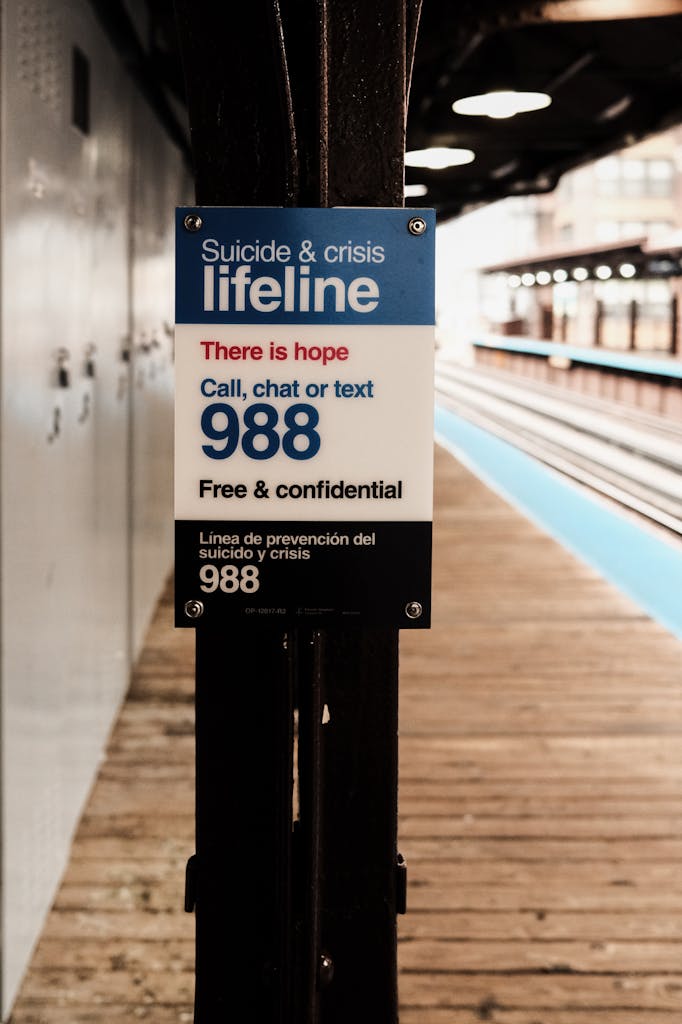
When you call 988 (988 Lifeline) in an emotional or mental health emergency, you reach a trained crisis counselor for fast, localized support for what you need.
You can call any time, day or night, 24/7.
988 Lifeline has answered over 13 million calls, texts, and chats all across the United States since July 2022. This evidence-based crisis intervention offers emotional support that helps to save lives daily.
An emotional crisis may present in many different forms that include:
- depression
- anxiety
- thought of self-harm
- thoughts of harming others
- post-traumatic stress disorder (PTSD)
- going through a hard time
- wanting to talk to someone
- feeling overwhelmed or unsafe
- possible overdose on medications
- substance abuse
You will receive calm and supportive help from trained counselors immediately. This, too, is something that you don’t want to delay. Help is available in many ways, such as calling, chatting, and texting.
It’s a free, confidential, and judgment-free conversation. Connecting with someone may save a life. If you are unsure if 988 is right for you, you can still call 911 or go to the ER for treatment.
Emergency Room
Going to the emergency room can be scary. A lot of folks delay because there is a history of a long wait time to be seen. Emergency rooms have been reducing wait times to provide more efficient, timely care.
The key difference between calling 911 and going to the emergency room for immediate care is the safety of getting to the ER. Typically, going to the emergency room is necessary for prompt care, but you can travel there on your own without risking your safety.
You wouldn’t need healthcare treatment on the way, such as in an ambulance. It would be safe to wait a little while to be evaluated.
So what brings people to the emergency room? Generally, it is abdominal pain or chest pain. Admissions to the hospital from the ER are mostly for circulatory issues or digestive problems, which include heart attack, intestinal obstruction, and stroke.
Additionally, other conditions that may have you taking a trip to the emergency room are:
- seizures
- fevers that cannot be controlled
- injuries such as fractures
- uncontrolled bleeding
- neurological symptoms
- non-life-threatening pain
- Severe burns
- electrical shock
- allergic reaction
This is not a complete list, but you should be getting the idea now. For injuries that still need emergency care but not necessarily 911 or the emergency room, there is urgent care.
Urgent care treats small lacerations or cuts, cat and dog bites, flu-like symptoms, minor burns without blisters, sprains, strains, and urinary tract infections.
They operate on various hours and are helpful when your primary care doctor’s office is closed, such as on holidays or weekends. Many emergency rooms and urgent care centers advertise their “wait time” online or on a digital sign at the site.
The final option I wanted to share is the nurse line.
Free Nurse Lines for Emergency Questions

Nurse Lines are available 24 hours a day, providing free, confidential guidance. Usually offered through insurance companies or health care providers such as Blue Cross Blue Shield, Tricare, Mayo Clinic, and Nationwide, just to name a few.
They offer:
- health education
- system assessment
- resource connection
- support for health issues
Compared to going to the emergency room or calling 911, you can ask questions, obtain reliable information from a professional nurse, and get guidance on how to handle the health condition in question. This helps to reduce unnecessary trips to the ER.
To find a nurse hotline, check with your healthcare provider’s insurance card or their website. A quick online search for “free nurse hotline” will also provide you with many options.
If you are having mild symptoms such as a rash, cold, or cough and want to know whether you need to be seen, or if you just have some medical questions, call the nurse line.
Given that the nurse lines are free, available anytime, and staffed by professional, experienced nurses, it’s worth a call. This can help you determine if you are on the right track, obtaining care, or need help figuring it out.
When a crisis or emergency occurs, your mind is not clear-headed, and having someone available to guide you is helpful.
Common Mistakes
In summary, a few common misconceptions of calling 911 or going to the ER are:
- Not knowing the existence of nurse lines – Remember, they are Free 24/7 with professional health care advice and support
- Going to the emergency room for non-life-threatening or urgent concerns
- Waiting too long to call 911
- Not knowing or using 988 for mental health crises
Of course, you can always call 911 or go to the emergency room for any type of care you may need. Knowing the difference in levels of care and where to go takes the guesswork out and allows you to make a more informed decisionecision.
The ultimate goal is getting the right care at the right time.
That’s a wrap! When you need emergency care, 911, 988, or the nurse line, have this handy checklist available somewhere, like hanging on your refrigerator, to use quickly.
Share this post with others who might find it helpful when unsure whether to call 911 or go to the emergency room.

This is for educational purposes only. If you are in a crisis or have any thoughts of hurting yourself or anyone else, please call the crisis hotline 988, 911, or go to the closest emergency room for evaluation. This does not replace professional help.
References: