How to Practice Self-Care When You Have No Energy Left

Please note: Some links may be affiliate links, meaning I may earn a small commission at no extra cost to you if you choose to purchase through them. Your support helps me continue sharing helpful content.
Some days or weeks literally shrink your capacity. Even the basic tasks feel so heavy, weighing on you like a dump truck. Hard weeks require a milder approach because you simply do not have any energy left in the tank. Where do you start, and how do you practice self-care when you have no energy left?
Self-care is usually the first thing tossed aside when life is nonstop. It needs a mindfulness approach to address your physical, emotional, mental, spiritual, and social needs. Low-energy self-care is not about becoming your “best self.” It’s about supporting yourself with the energy you actually have in the moment.
A one-size-fits-all approach does not apply here. The best way to manage symptoms of stress, burnout, and exhaustion is through consistent self-care. Knowing where your stress is rooted in your daily activities, you will be able to develop awareness and implement the care you personally need.
Low-energy self-care is not about becoming your best self. The energy for that motivation has left the train station. Humans are not meant to be “bots” with endless tasks and ideas that accumulate into another chore.
When Self-Care Feels Like Another Chore
You are already running on empty; it shouldn’t feel like another responsibility. Building bite-sized wellness routines will support you along the way, rather than feeling pressured to practice self-care after you’ve reached your tolerance limit.
Your energy is already depleted, and that’s why frustration builds. When the overload is too much to even get off the couch, you just crash. You cannot force yourself to push through any more. Your body is giving you signals to slow down and refill the cup you’ve been using.
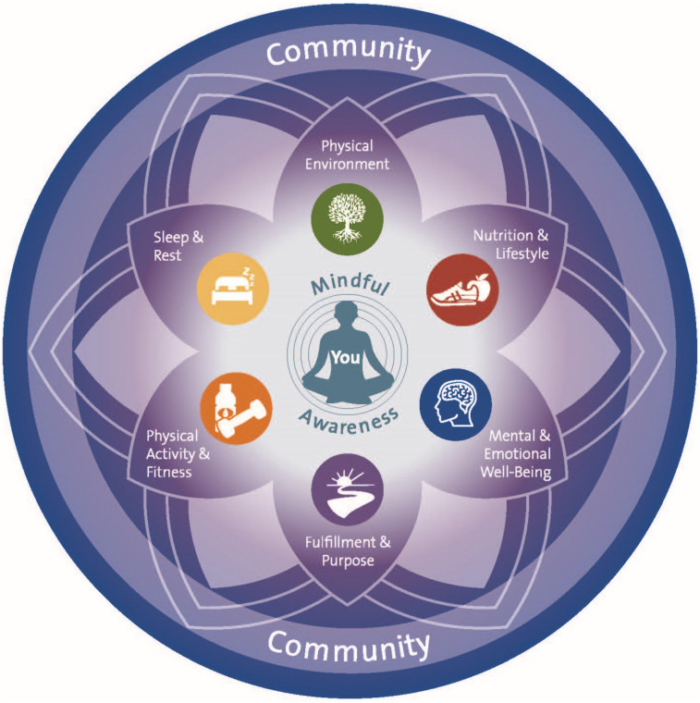
Where are the holes in your wellbeing? The concept of self-care and wellness embraces physical, emotional, social, and environmental aspects. You have a flourishing sense of life satisfaction and are functioning well. What are you lacking in the mindful awareness wheel that is not serving you?
Weaving small, subtle modifications into daily life during the difficult seasons supports care, and that often matters more than ideal routines.
.
Your Nervous System Needs Safety
When your capacity bucket is low, this drains your energy and limits focus. You have nothing left to give, and your nervous system is waiting for the alarms to switch over to the safety zone. This is where tiny shifts matter. As you transition and adjust, your nervous system recognizes that it is safe and begins to return to your baseline.
Self-care is about a mindset shift for you.
Prioritize your needs.
Begin your day with one question: “What do I need for myself today?” Do you need to connect with someone who always makes you feel good when you talk to them? Do you need fresh air or a short walk? Maybe today is just closing my eyes for quiet.
What Low-Energy Self-Care Can Actually Look Like
If you have a normal routine, such as stretching or quietly having your coffee while meditating or praying, it may have worked for you in the past. Once life interrupts you with cascading chronic stress or grief, emotional exhaustion hits you like a truck. The basic care feels tough, and these hard weeks need a softer place to land.
I know when I had a major change in my work status, I felt destroyed. There were so many different changes that hit me all at once, it was overwhelming and scary. I had no idea how I was going to resolve so many transitions all at once. My life was turned upside down in a phone call. I cried, I prayed, and I problem-solved nonstop.
I had started taking walks on a dirt road lined with beautiful trees on both sides over my lunch break. Make sure you have good footwear when walking. Deep breathing was occurring every hour during my eight-hour day, and there was a 40-minute drive to and from work. I stepped away for 10 minutes several times throughout my workday. I went into the bathroom and cried.
Due to the sensory overload, my anxiety was higher than skyscrapers in New York City. I purchased some noise-canceling headphones, and that helped quite a bit. Some days were better than others, but the small adjustments helped. I started to assess myself, what was helping, and researched other mini accommodations to throw into the mix. Some days I need more quiet, other days I need more walking outdoors.
Refill Your Cup
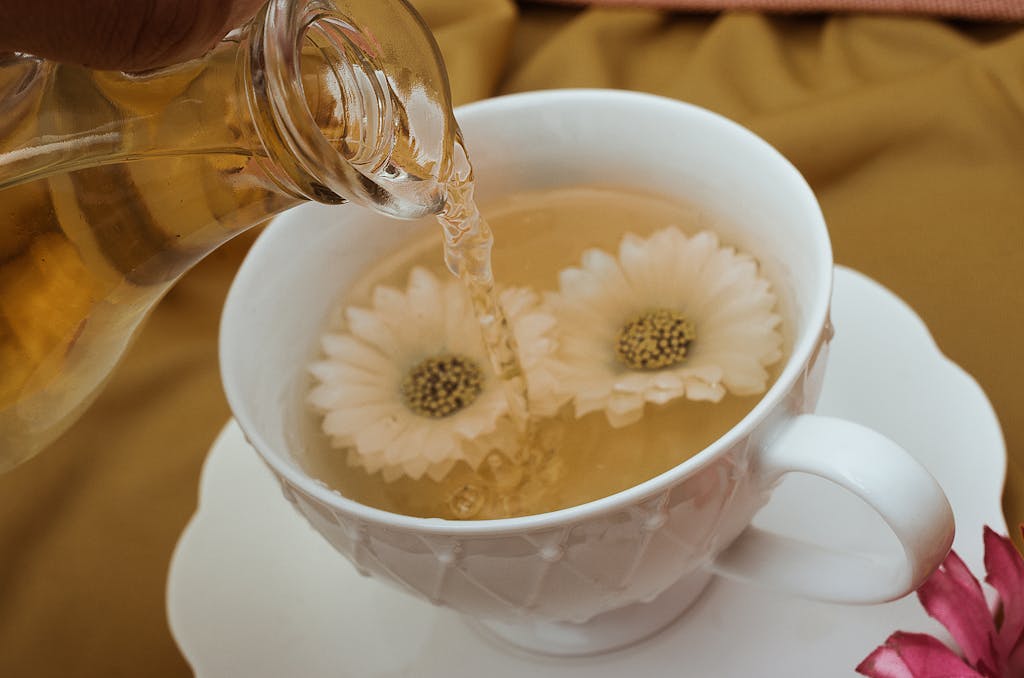
Everyone will have different ways to integrate what they personally need to refill their cup to nourish their strength. Teeny-weeny regulating practices matter because it’s in the moment: what you are able to do now with little effort and ease, and still obtain some comfort.
What I noticed that worked for me:
- Walking outdoors in nature for at least 20 minutes
- Deep breathing as tension was climbing
- Close my eyes at my desk or in a private place
- Drove home in silence
- Listen to instrumental music to avoid focusing on lyrics
Low-energy self-care is different.
It’s about supporting yourself gently, without any further pressure on your already low energy and low volume load.
Instead of a complete transformation, it’s more like making it through the next hour and feeling slightly more manageable. I was only able to focus from moment to moment.
It’s ok. Sometimes that’s all you can handle.
Reduce the friction when your energy is low. The nervous system will prioritize survival and safety over being productive. Self-care tasks may feel heavy, like a dark cloud looming over your head. The pressure builds, and even enjoyable things are a strain.
Focusing on reducing effort for low-energy makes self-care effective for these reasons:
- Deciding what is convenient for you
- Supportive care without guilt
- Simplifying routines
- lowering your bar intentionally so it’s manageable
- Meet your needs to your ability instead of trying to push through
Gentle, compassionate care counts, even in the infant stages.
Recovery Is Not Immediate
Recovery is gradual. It may simply mean making the week a little softer to your nervous system. Hard weeks will come and go, and these seasons that are so difficult deserve compassion.
Gentle consistency matters.
A few ways to tap into the physical decline when life is hard:
- Lying down without guilt
- step outside briefly
- Take a shower, hot or cold
- Drink water before any caffeine
For those mental and emotional empty buckets, try:
- Change alert tones or mute them briefly
- Reduce information intake or avoid heavy pressure information
- Brain dump or write stuff down
Notice your environment to make adjustments as needed, such as:
- Go to a quiet space
- Use noise-canceling headphones
- Dim or turn off the lights
Be mindful of what is getting worse. Doomscrolling or comparing yourself to others may lead you to abandon healthy habits altogether or segway into depression. Lying down is ok, guilty feelings are not an option. Remember it what is possible in the moment.
According to Dr. Shiffer, do a reflection check for yourself and ask:
- What were my highs and lows today?
- What did I really love about today, and what irritated me?
- When was I smiling, and when did I get upset?
That’s A Wrap!
Self-care is an important part of wellbeing and nourishment. Don’t remove it from your busy schedule because some days you will have low energy or no energy. Tap into yourself and see what is rubbing you the wrong way and what makes you smile from within.
Explore the microshifts in your practice to fill yourself up and get through the hour. In summary, your nervous system is communicating with you to keep you safe. Add a small walk in nature, or a deep breath while lying in bed. Be still. Lie on the floor, listen to music, or journal your thoughts, hurts, desires, and let it be.
You will regain some energy toward baseline; give yourself the self-care it needs, gently. No need to rush it, use the energy you have to fulfill what you need.
I share more gentle reflections and practical nervous system support inside The Gentle Reset Letter if you’d like company along the way.
This is for educational purposes only. If you are in a crisis or have any thoughts of hurting yourself or anyone else, please call the crisis hotline 988, 911, or go to the closest emergency room for evaluation. This does not replace professional help
References:
https://pmc.ncbi.nlm.nih.gov/articles/PMC9924360
https://psychcentral.com/health/caring-for-yourself-when-youre-depleted